The model, in brief
If you are deciding whether to send a family here, this page is the short version of what you would be sending them to.
What is being built
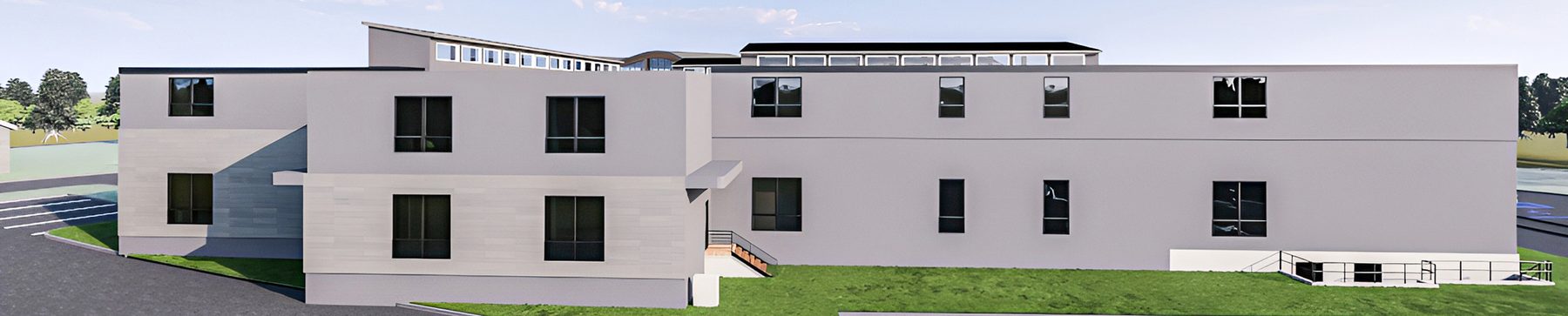
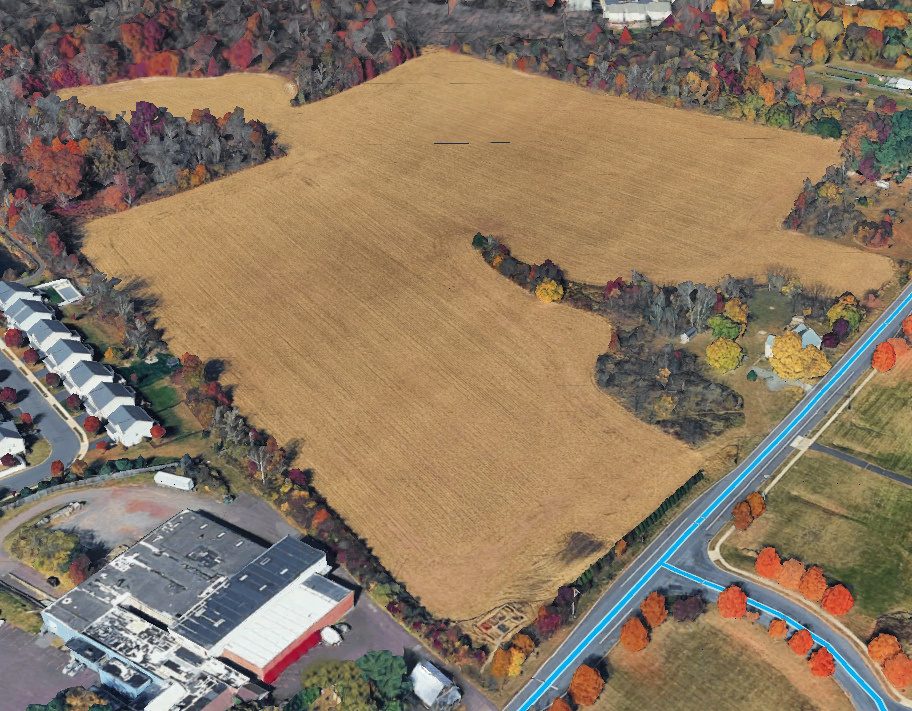
Fifty two-bedroom apartments for neurodivergent adults on a five-acre site in Richland Township, Bucks County, integrating housing, health and community at one address. An on-site medical and therapy suite, a working coffee shop, commercial kitchen, gym, indoor pool, enclosed courtyard and sensory garden — with a co-located equine centre and twenty-plus acres of community-supported agriculture adjoining.
Care is delivered and coordinated by Navera Health and Wellness, in two parallel configurations: a full licensed multidisciplinary team, or a certified coaching team covering the same domains with a defined clinical escalation path.
Measurement discipline
The part that usually distinguishes a supported-living community from a well-meaning one.
Structured intake
Multidisciplinary review against defined criteria for independent living skills, emotional and behavioural stability, and financial sustainability — followed by an in-person trial stay before anyone commits. Where a profile is marginal, entry is conditional on bridging supports with a time-boxed review rather than a straight decline.
A six-stage design cycle
Understand, co-design goals, plan interventions, pilot for four to six weeks with explicit continue/modify/replace decision gates, implement with weekly cross-team huddles, then formally evaluate. Resident voice is a stage, not a courtesy.
Instruments, re-administered
Validated measures across emotion regulation, mood and anxiety, executive function, sleep quality, social communication and independent living skills — taken at intake and re-scored at three and six months. We are happy to discuss the specific battery with a clinician.
Escalation defined in advance
The coaching model carries explicit thresholds that trigger clinical review — worsening mood or emotion-regulation scores, safety concerns, or functional regression. The trigger is agreed before it is needed.
Quality is tracked on a shared dashboard covering daily-living proficiency, engagement and employment; fidelity checks confirm sessions are delivered as designed; and biannual resident and family surveys feed an annual impact summary.
What this design draws on
Meridian Commons is not an experiment being run from scratch. It follows inclusive-housing work that has already shown what happens when sensory design and on-site support are combined rather than treated separately:
- Madison House Autism Foundation's inclusive-housing programme
- Sweetwater Spectrum
- 29 Acres
- Airmount Woods
- The Kelsey Civic Center's disability-forward housing
Built with the neighbourhood, not beside it
Meridian Partners have brought together Special Equestrians, the Upper Bucks County Technical School and Richland Township to develop both community services and the education and training that goes with them.
Twenty-plus acres of previously farmed land adjoining the site are designated for community-supported agriculture, and an existing one-room schoolhouse is being restored as a farm stand — providing training in agriculture, business management and customer service, in a shop with actual customers.
We are actively interested in more of this: local employers offering supported placements, advocacy organisations, libraries and recreation centres.
Who is behind it
Meridian Commons is developed by Meridian Partners — George Kiriakidi, Amy H. Edgar and Joe Gartner.
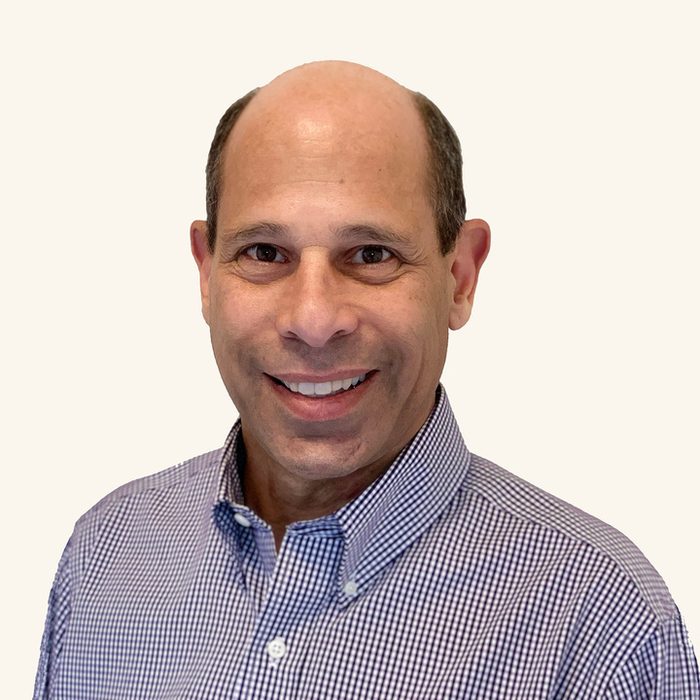
George Kiriakidi
A real estate developer and business executive working in land development and construction. As President of Prime Custom Builders, LLC and Prime Properties, Inc., he has overseen the development and construction of more than 450 homes and managed a wide range of real estate projects. He has previously held leadership and ownership roles in several automotive businesses and served on numerous industry and community boards.
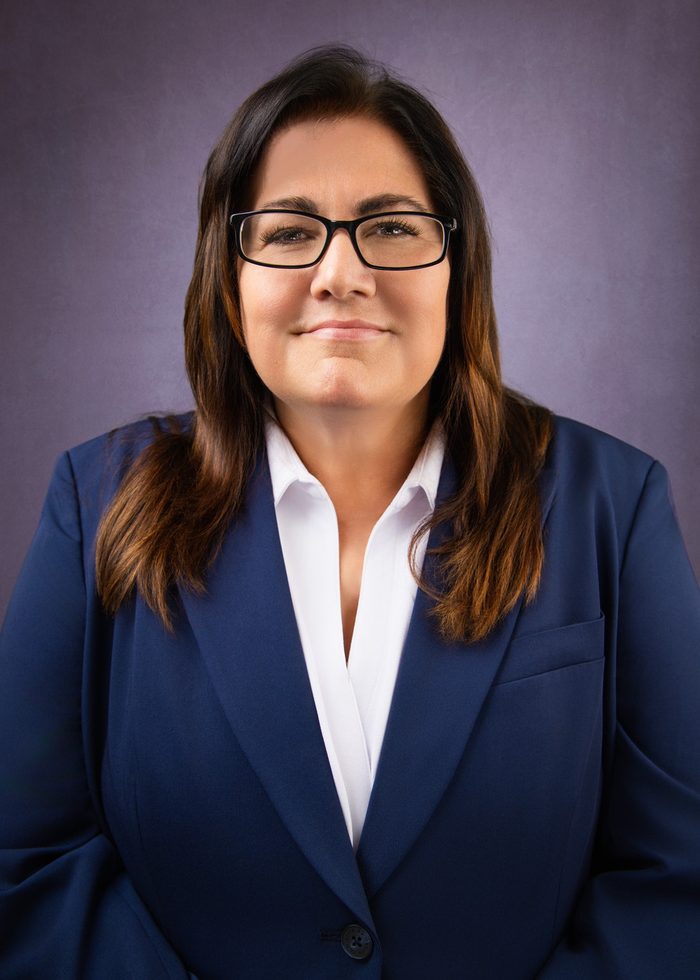
Amy H. Edgar, APRN, CRNP, FNP-C
Amy's work is focused on transforming access to care for children and adolescents, integrating AI, precision medicine and virtual care delivery to remove systemic barriers. Inspired by what she faced navigating care for her own neurodivergent daughter, her aim is to design tools and models that make equitable, effective care the standard rather than the exception.
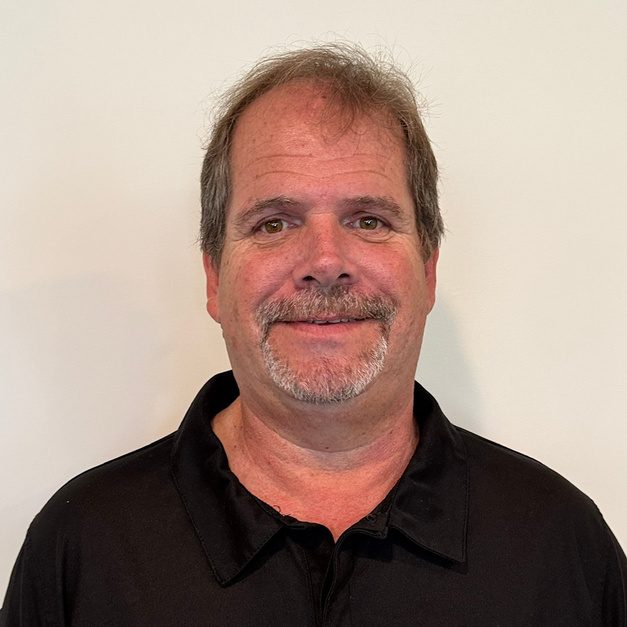
Joe Gartner
Joe has spent more than 30 years building, leading and scaling construction companies across residential, commercial, industrial and land development projects. As Principal of Prime Custom Builders, Gartner Building Group, Ruff Hall Builders and other ventures, he has directed multi-million-dollar projects, managed complex teams, and delivered high-quality work with speed, discipline and accountability.
Referring, or partnering
If you have a family in mind, the first step is the same as it is for them: get in touch and we will arrange a visit and a fit conversation. We are glad to talk clinician-to-clinician about the intake battery, the escalation thresholds or the outcome measures.
If you are an employer, a school or a community organisation looking to work together, that conversation starts the same way.